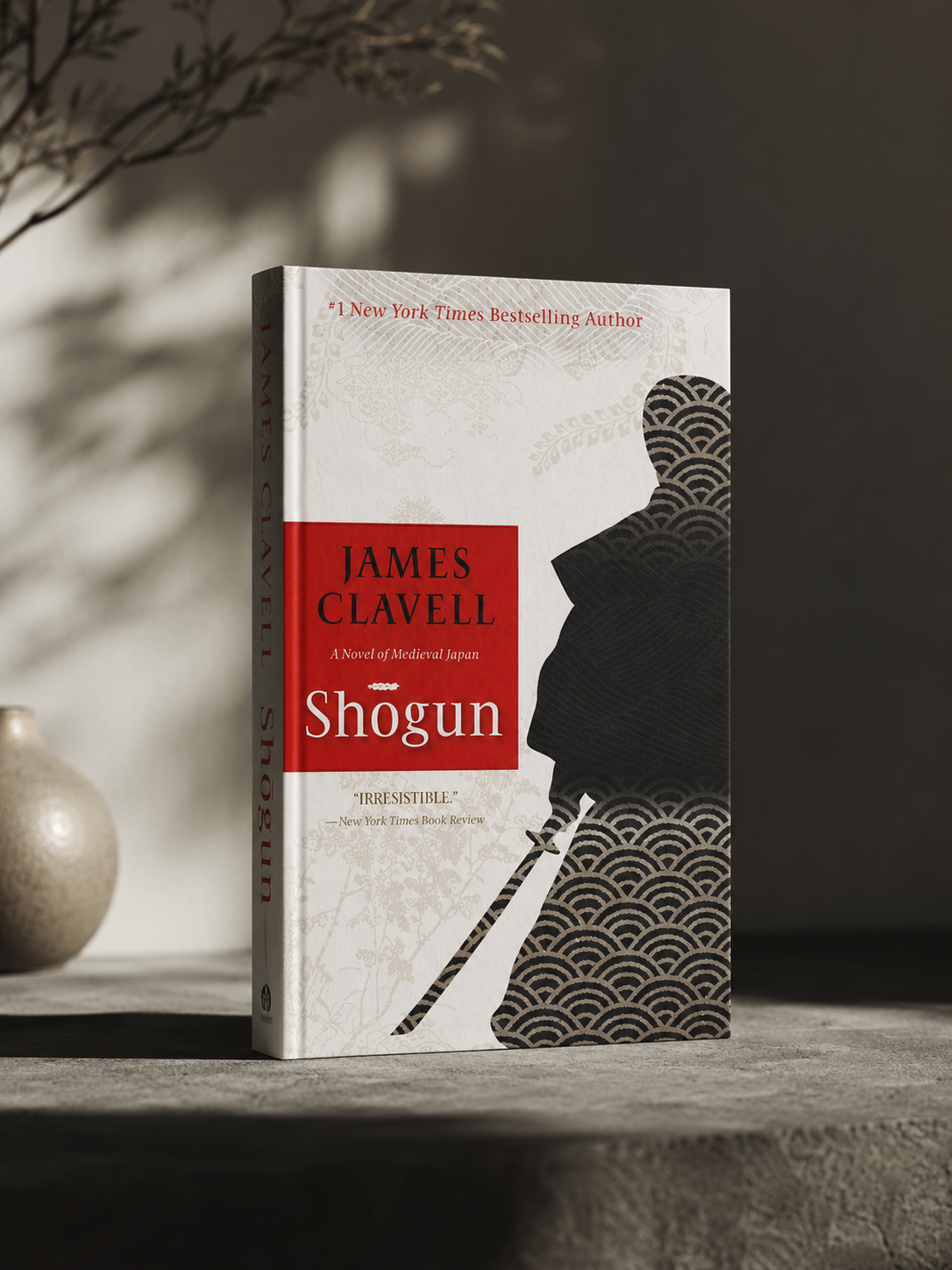
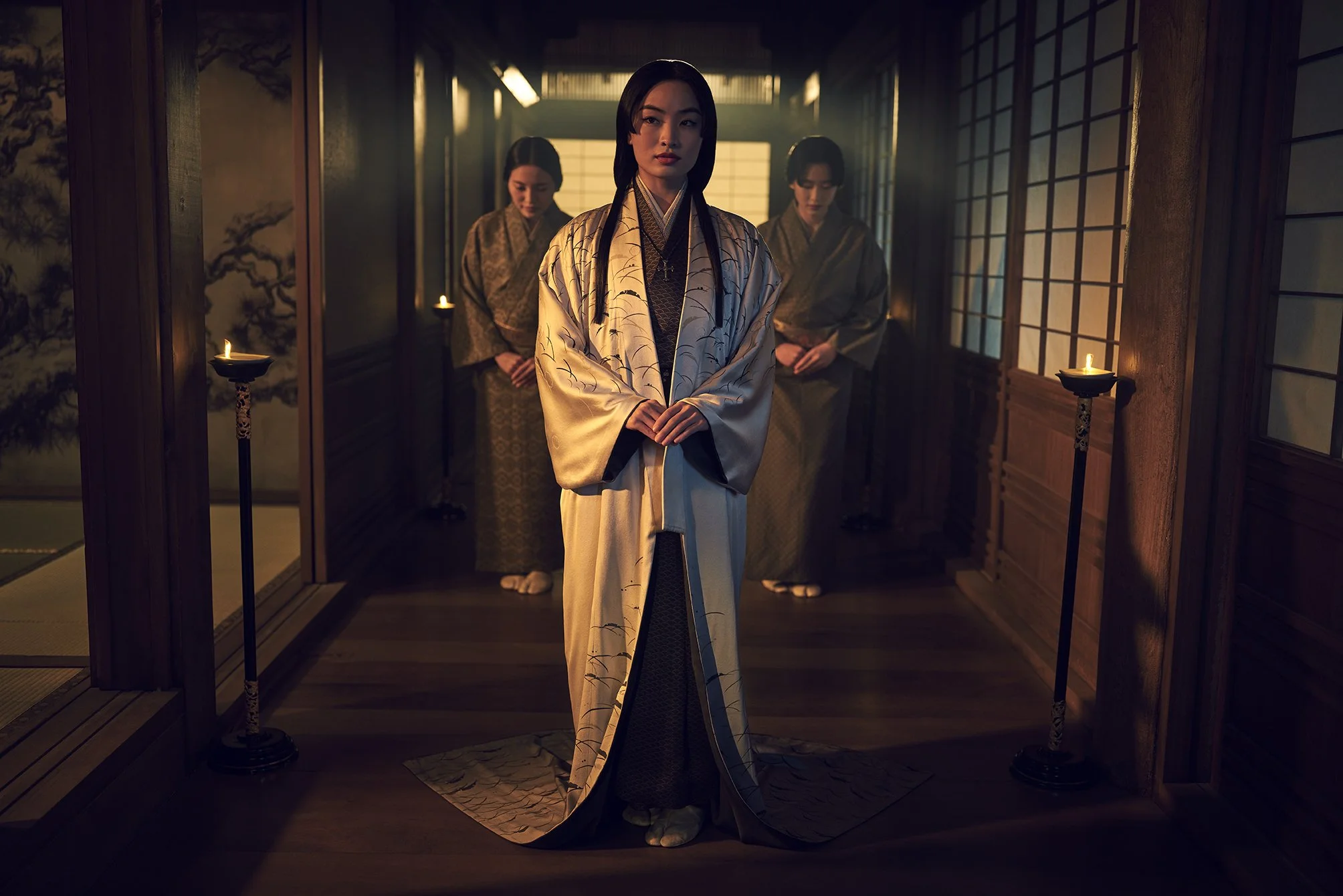
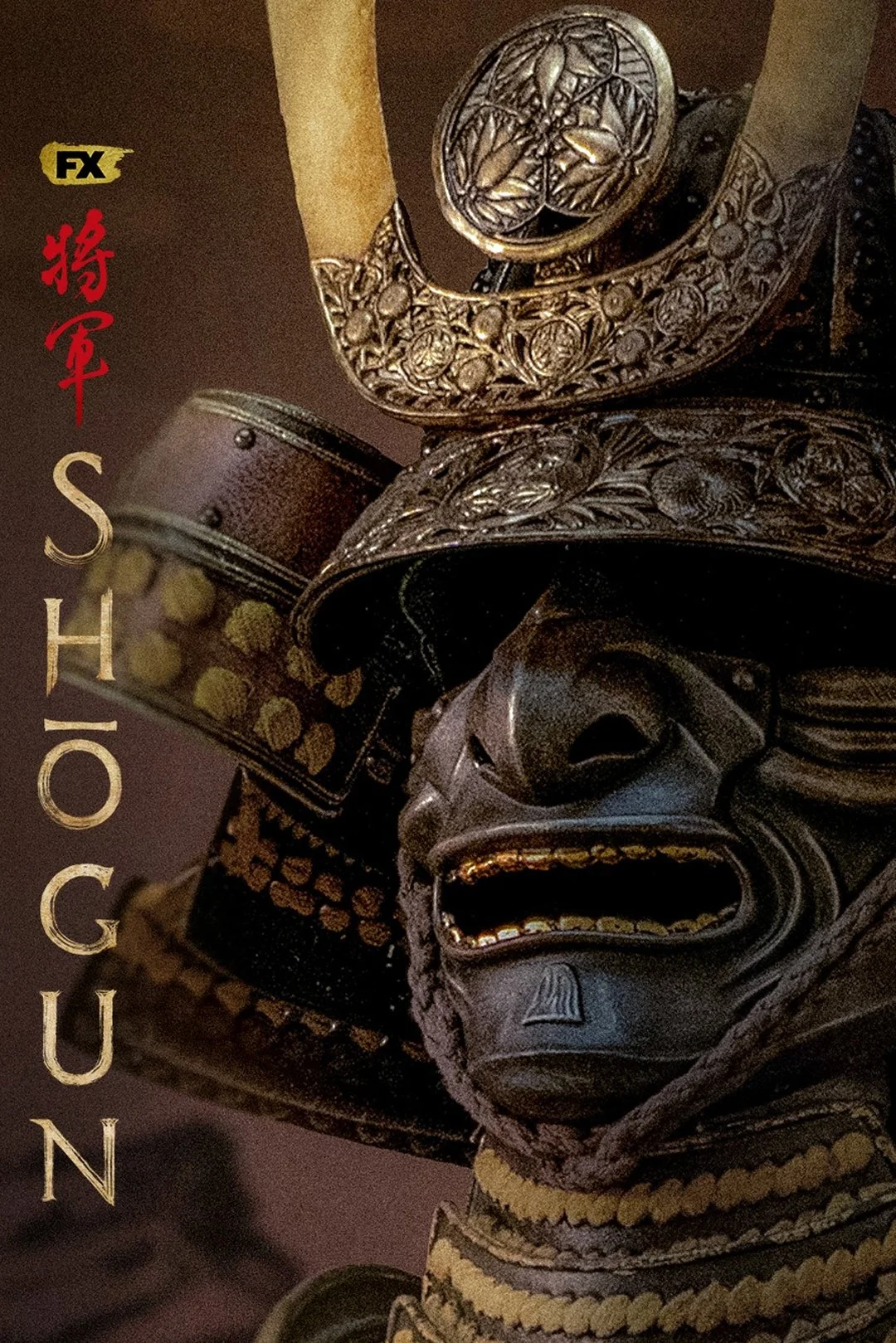
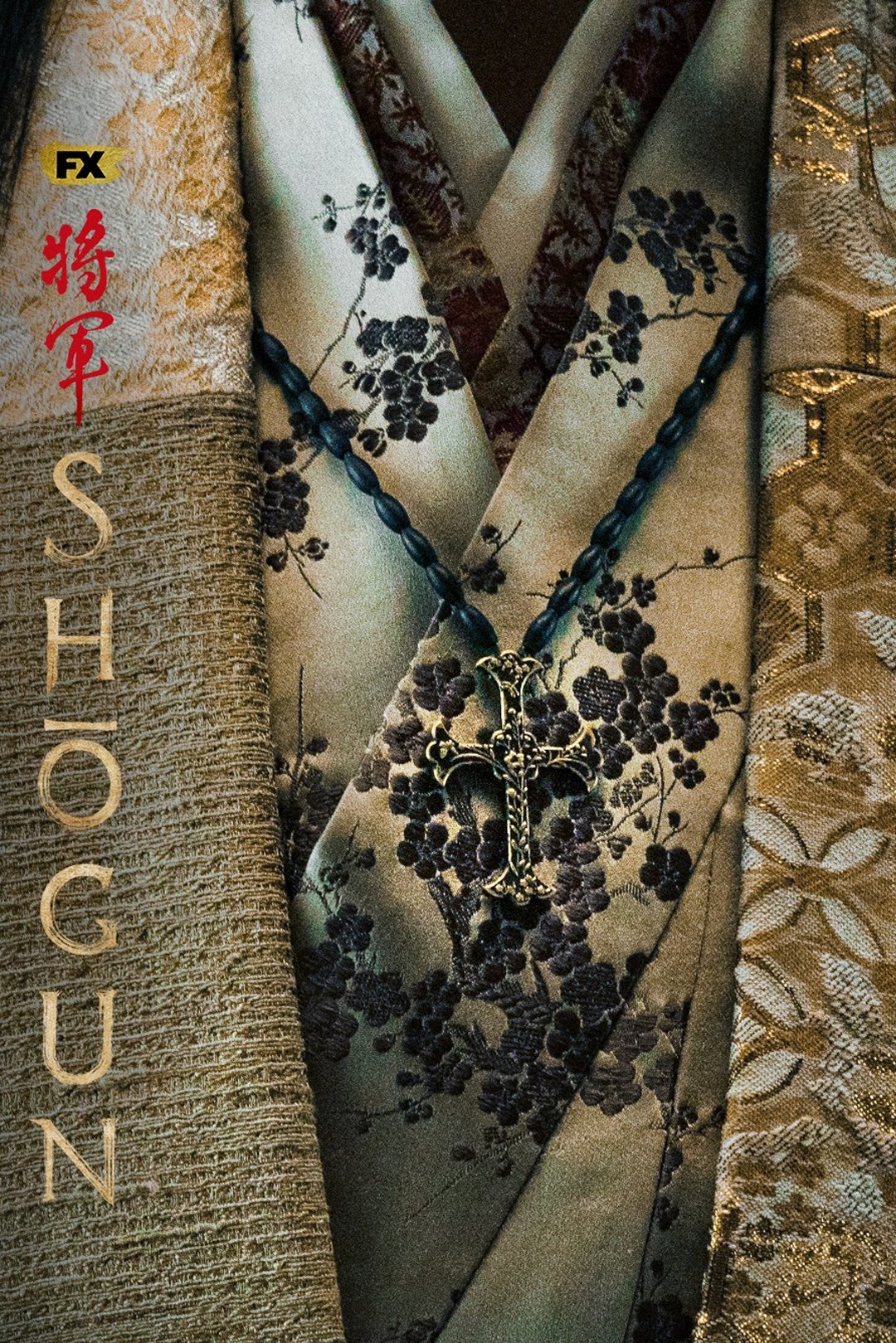
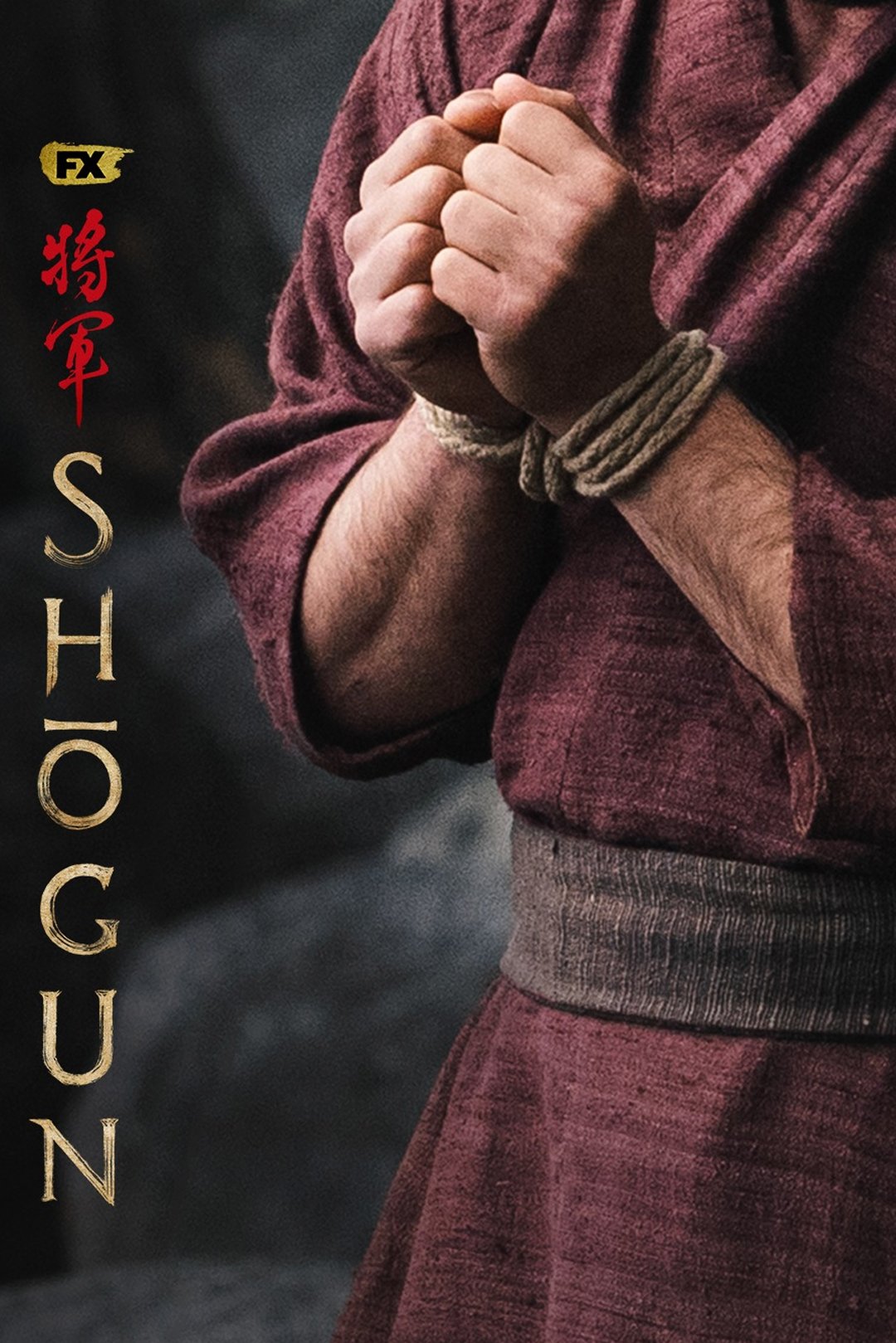
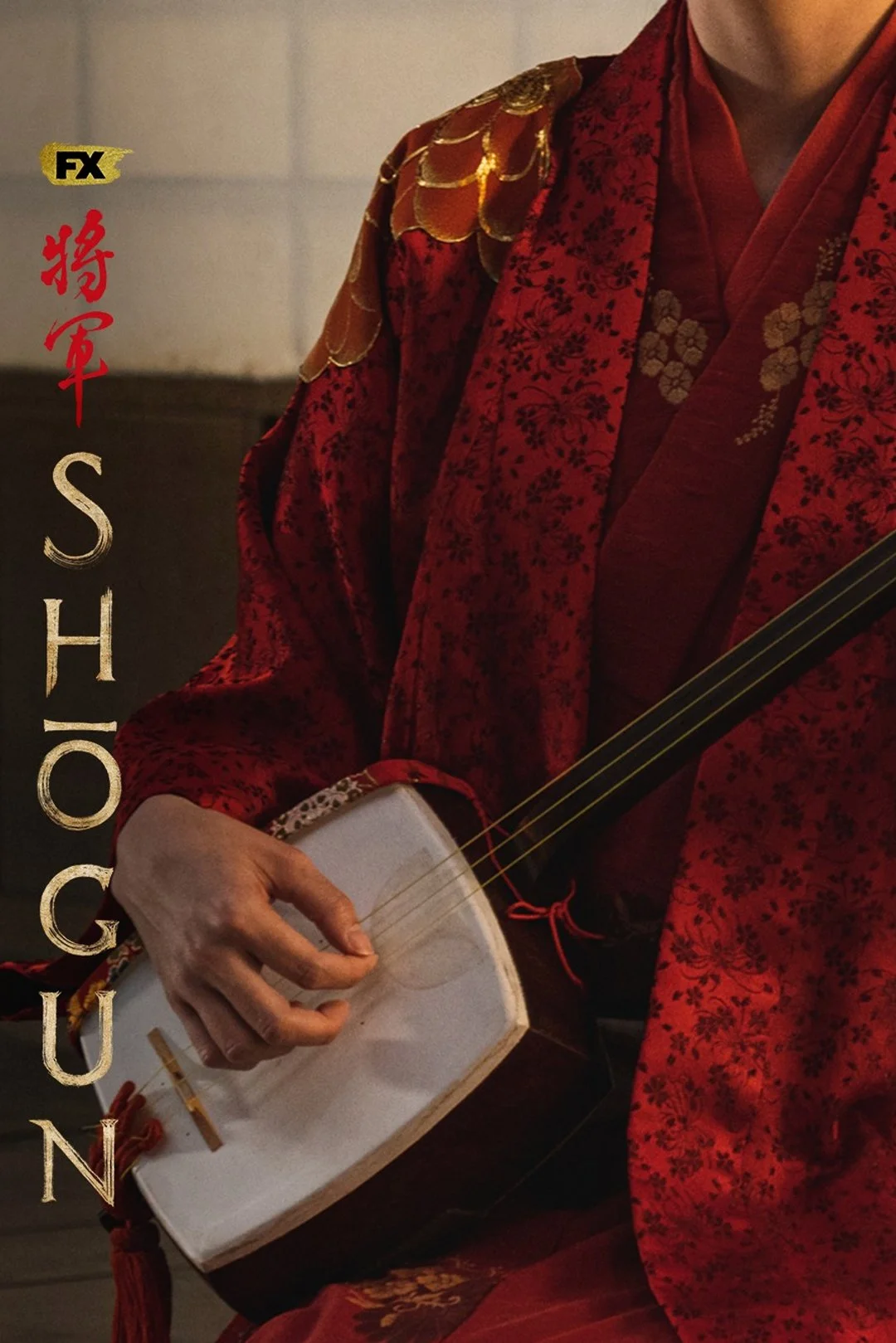
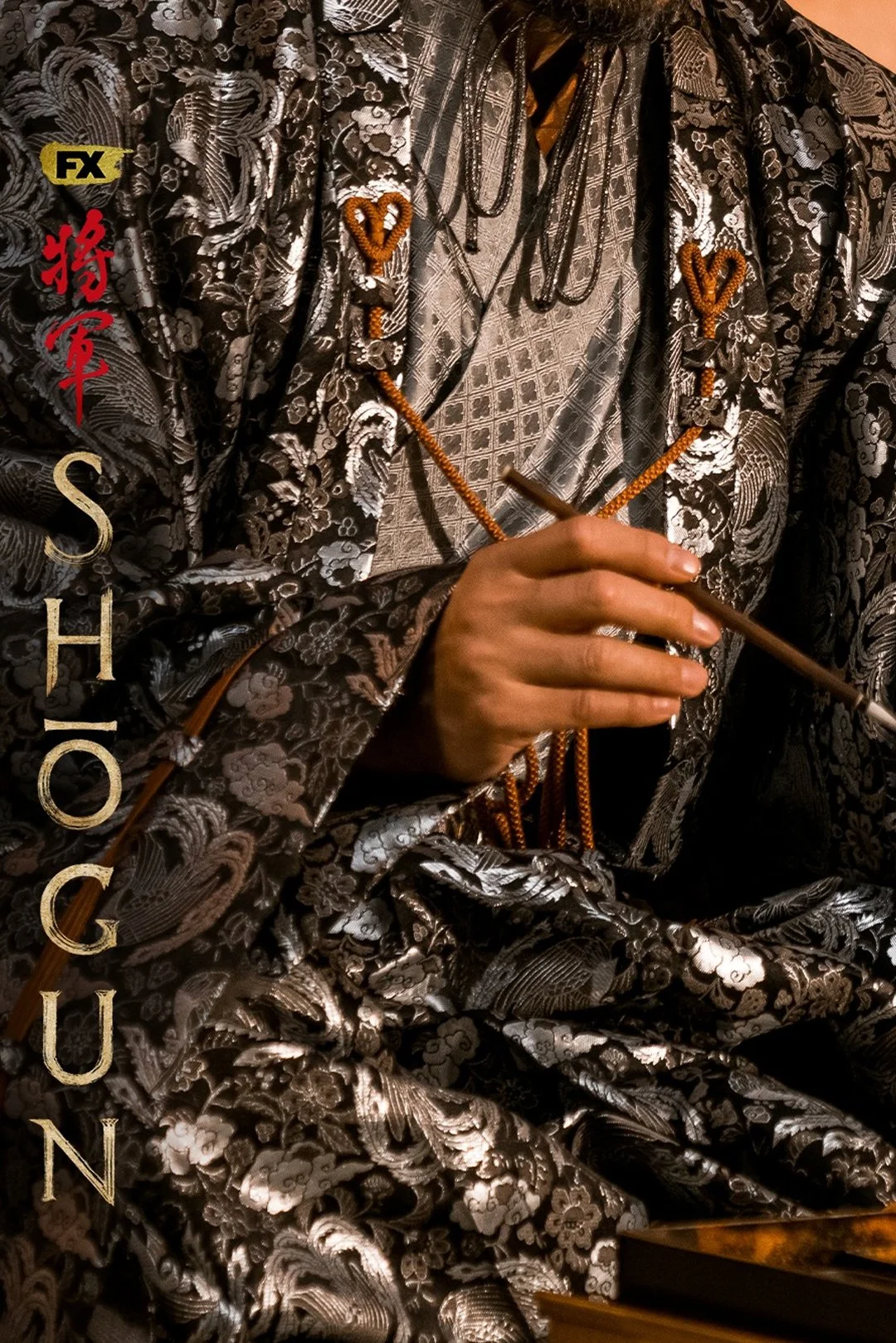
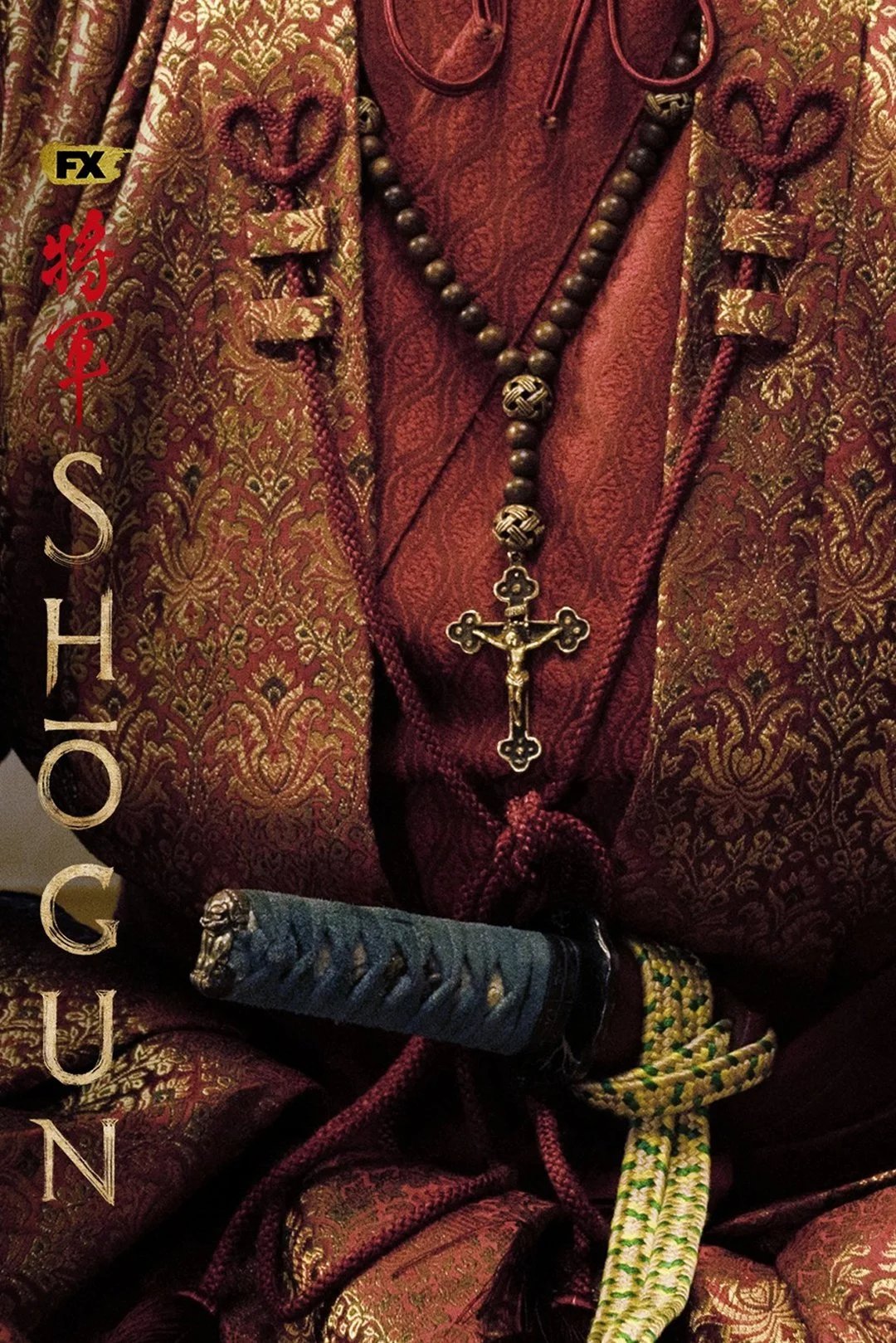
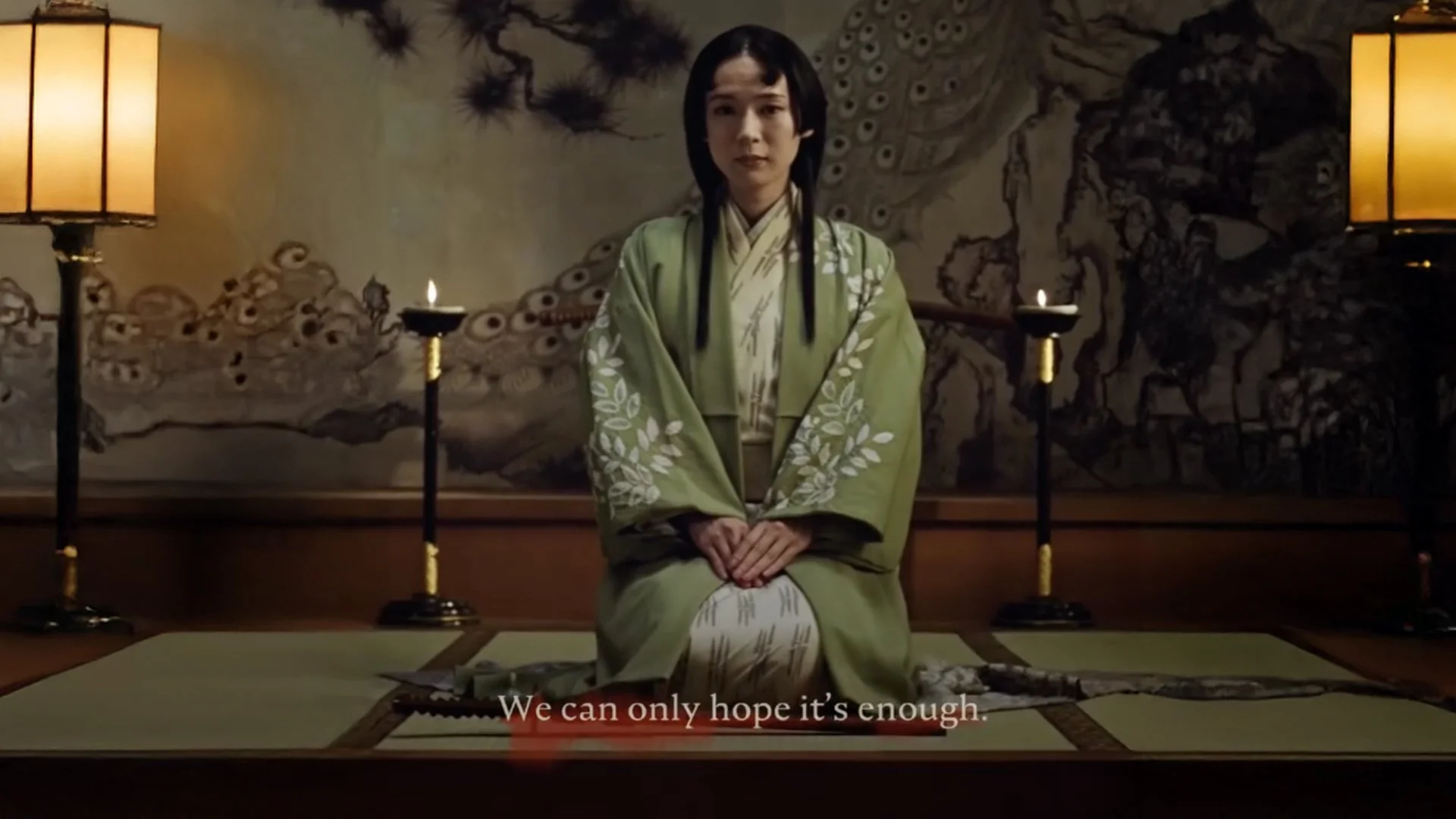
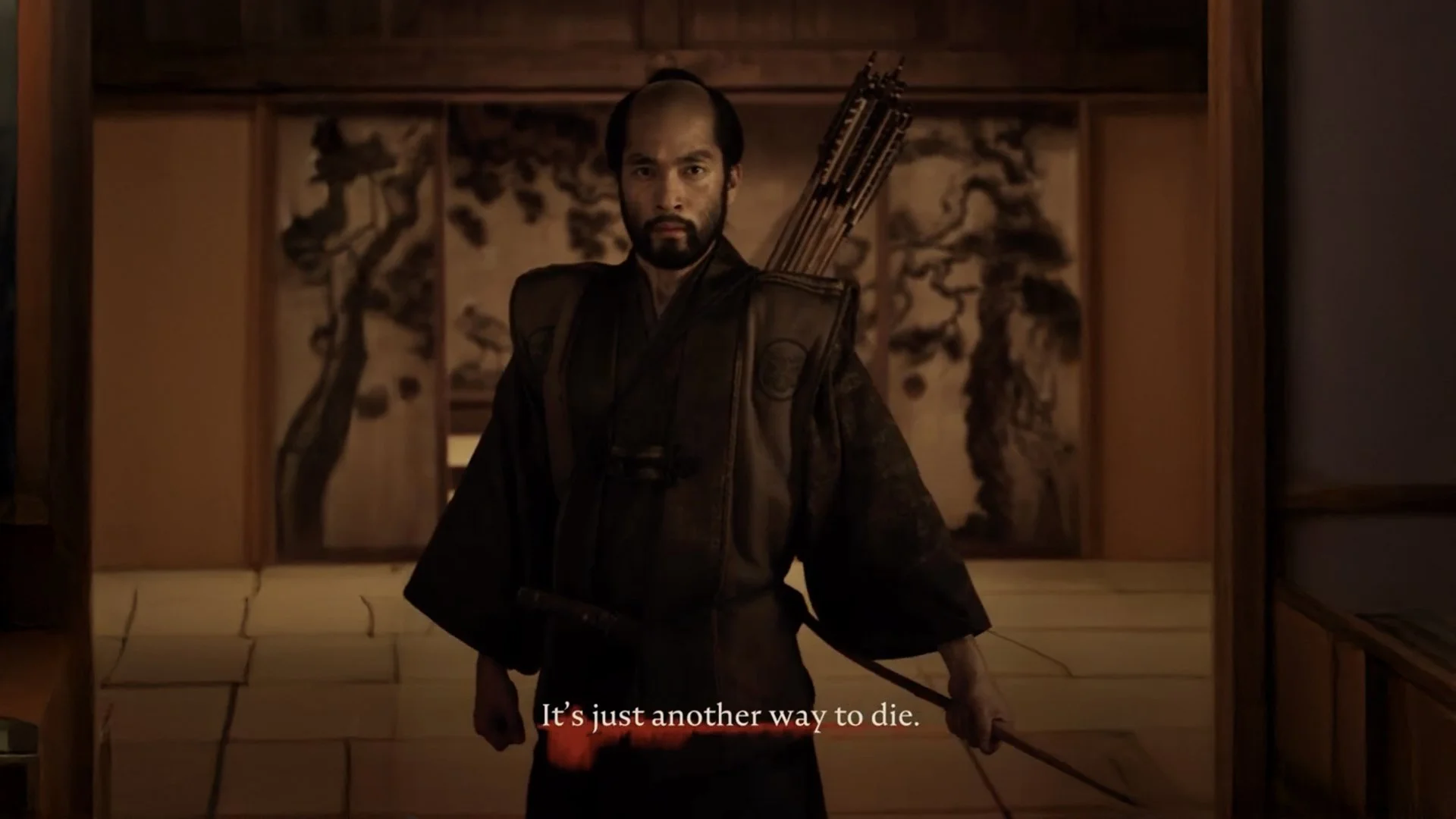
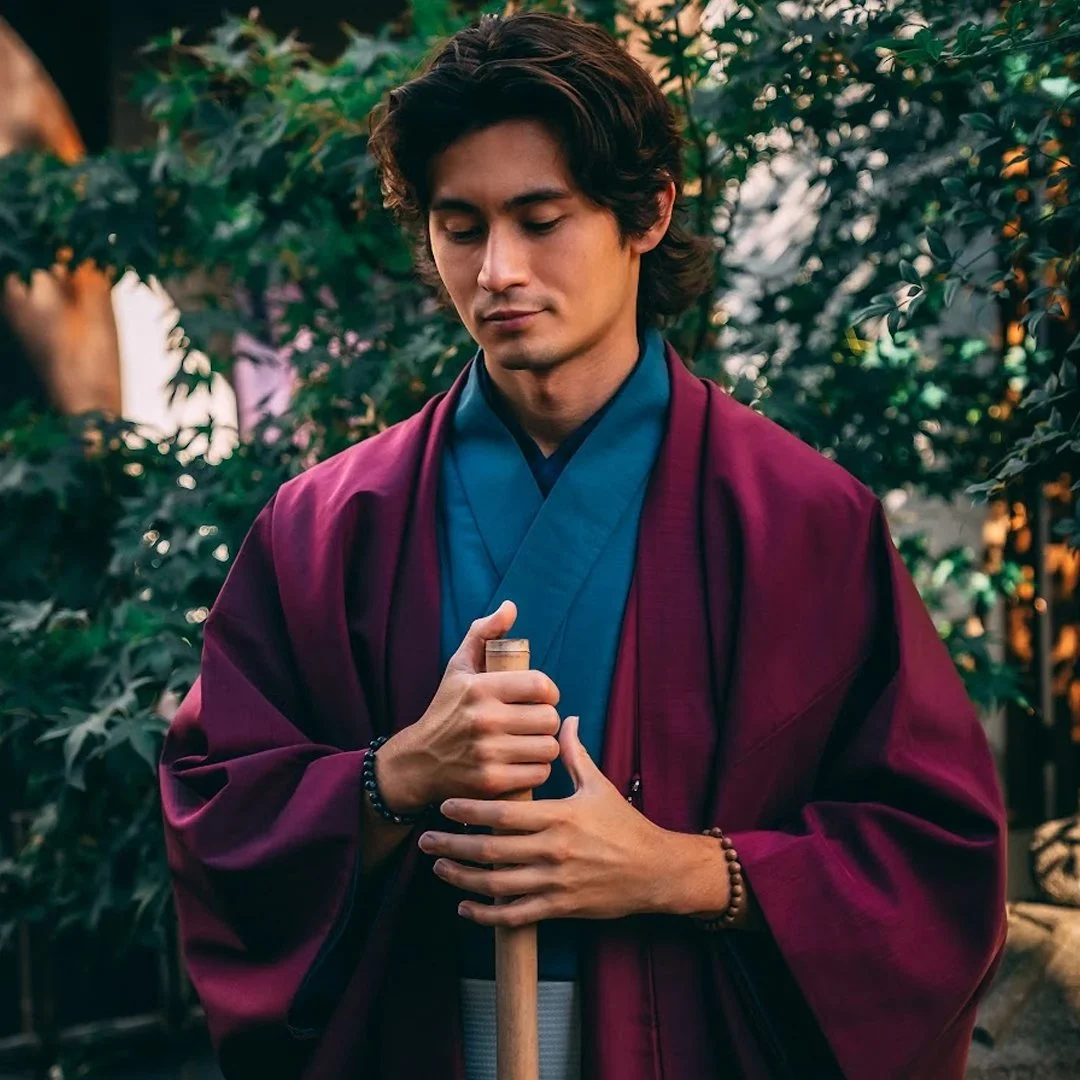
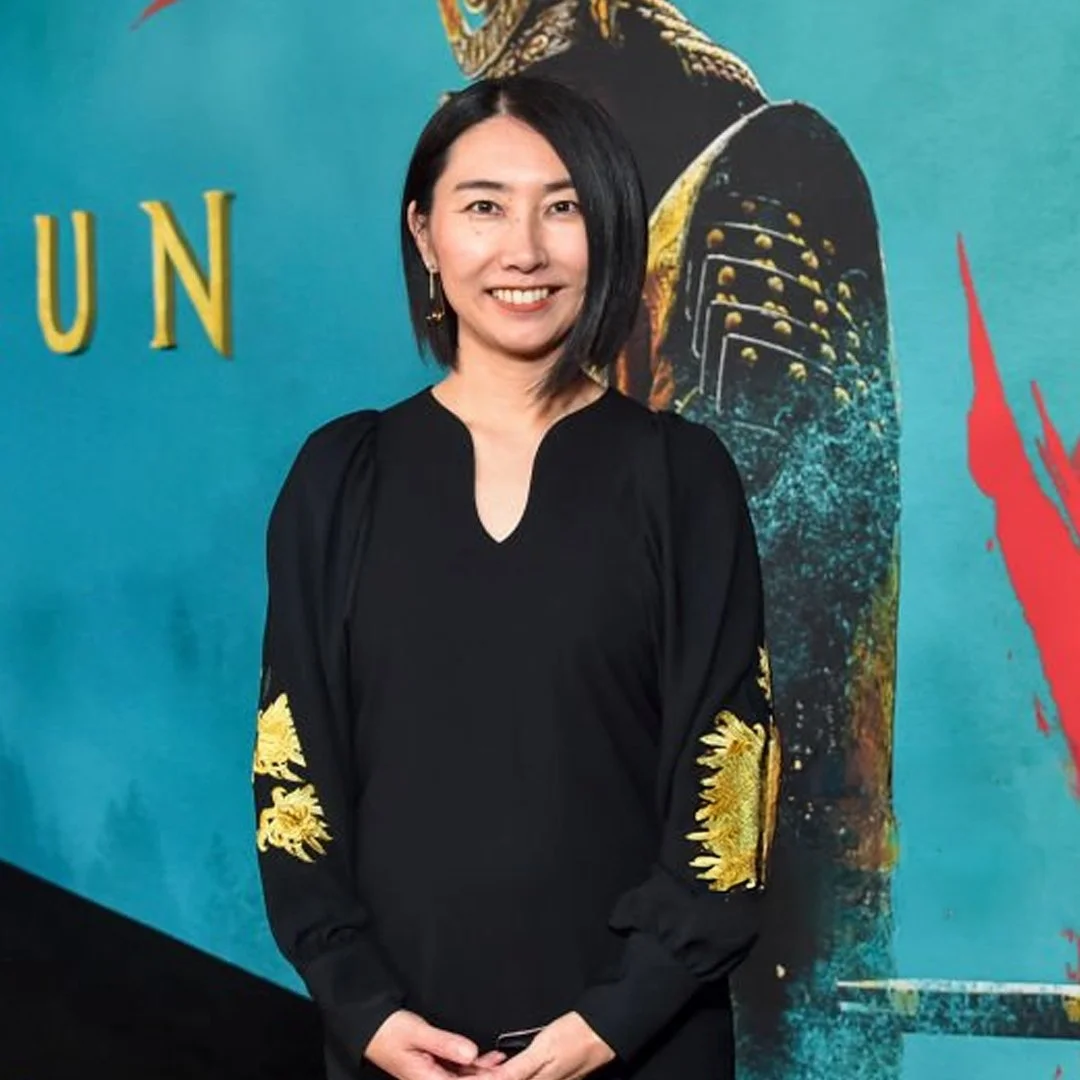
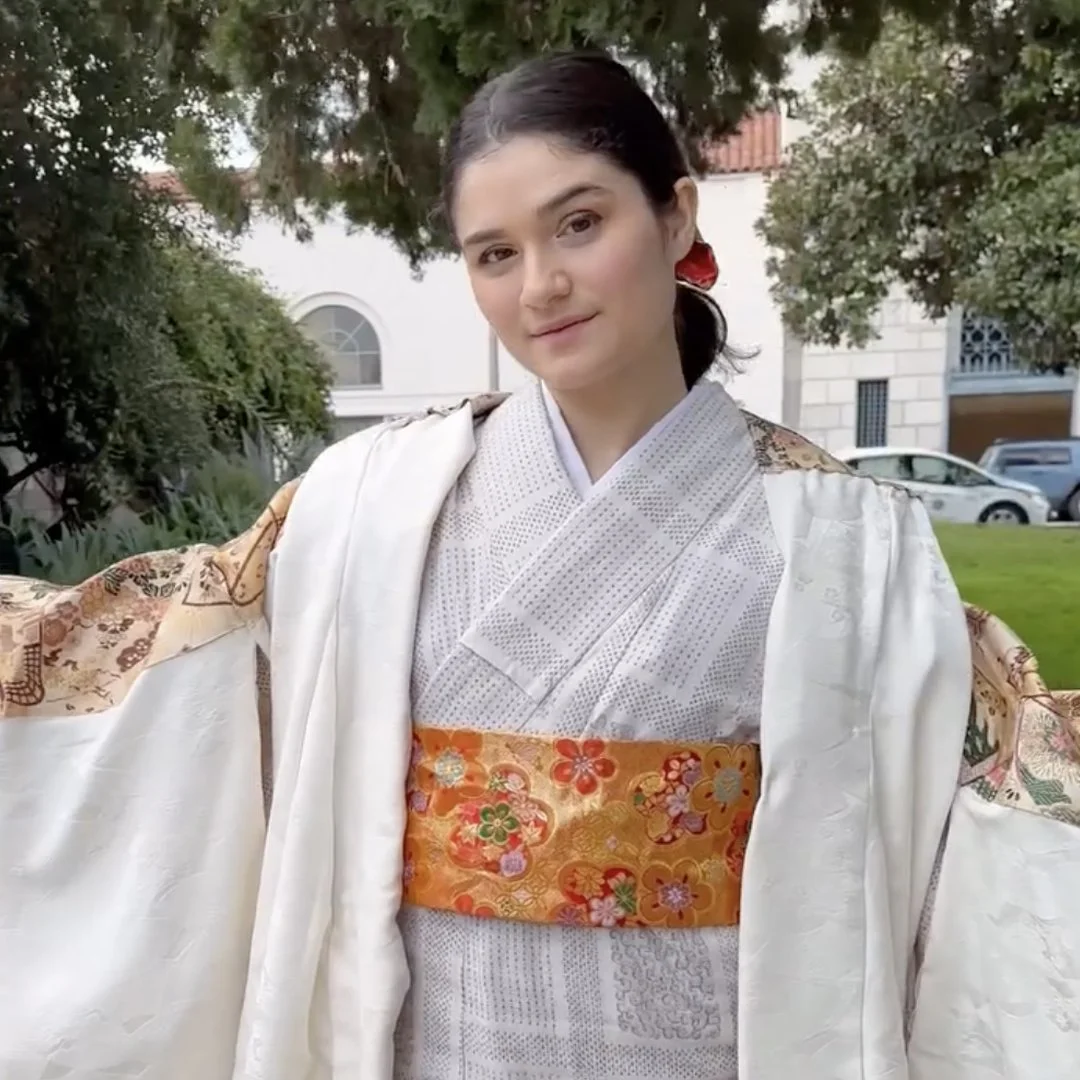
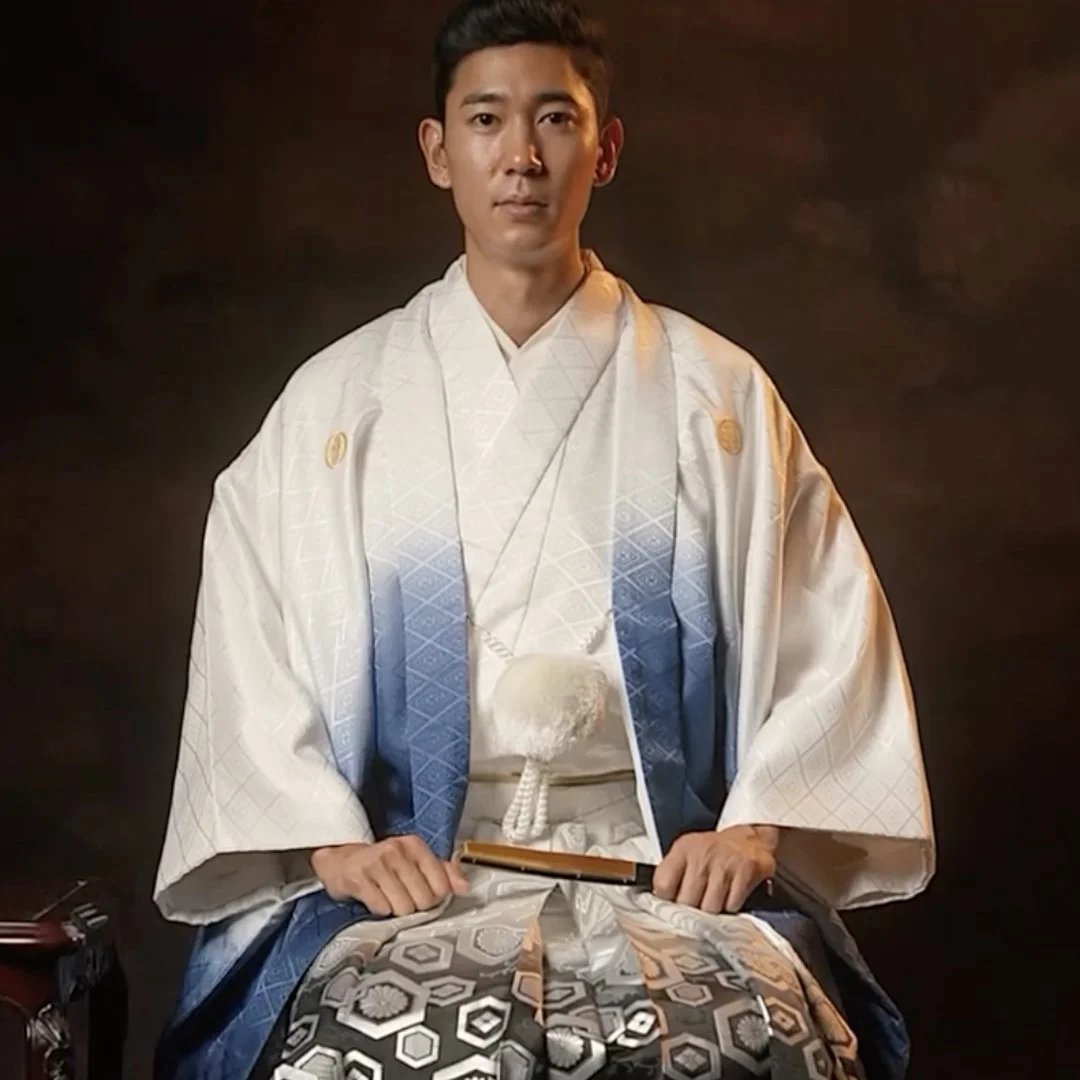
Rather than waiting for assets from the production, we went back to the novel. We spent weeks inside Clavell's world — mapping the political factions, character tensions, historical contradictions, and thematic undercurrents that made the story worth telling. A Japanese cultural expert was embedded in our team throughout, reviewing every piece of content for authenticity before it went anywhere near a platform.
The social voice we defined was equally precise: intelligent, well-versed, and impassioned — but never encyclopedic, never othering. We wrote from within the world of Shōgun, not as outside observers explaining it. That distinction mattered to the Asian and Asian American audiences who were depending on this content to be honest and respectful — and it shaped every word we published.
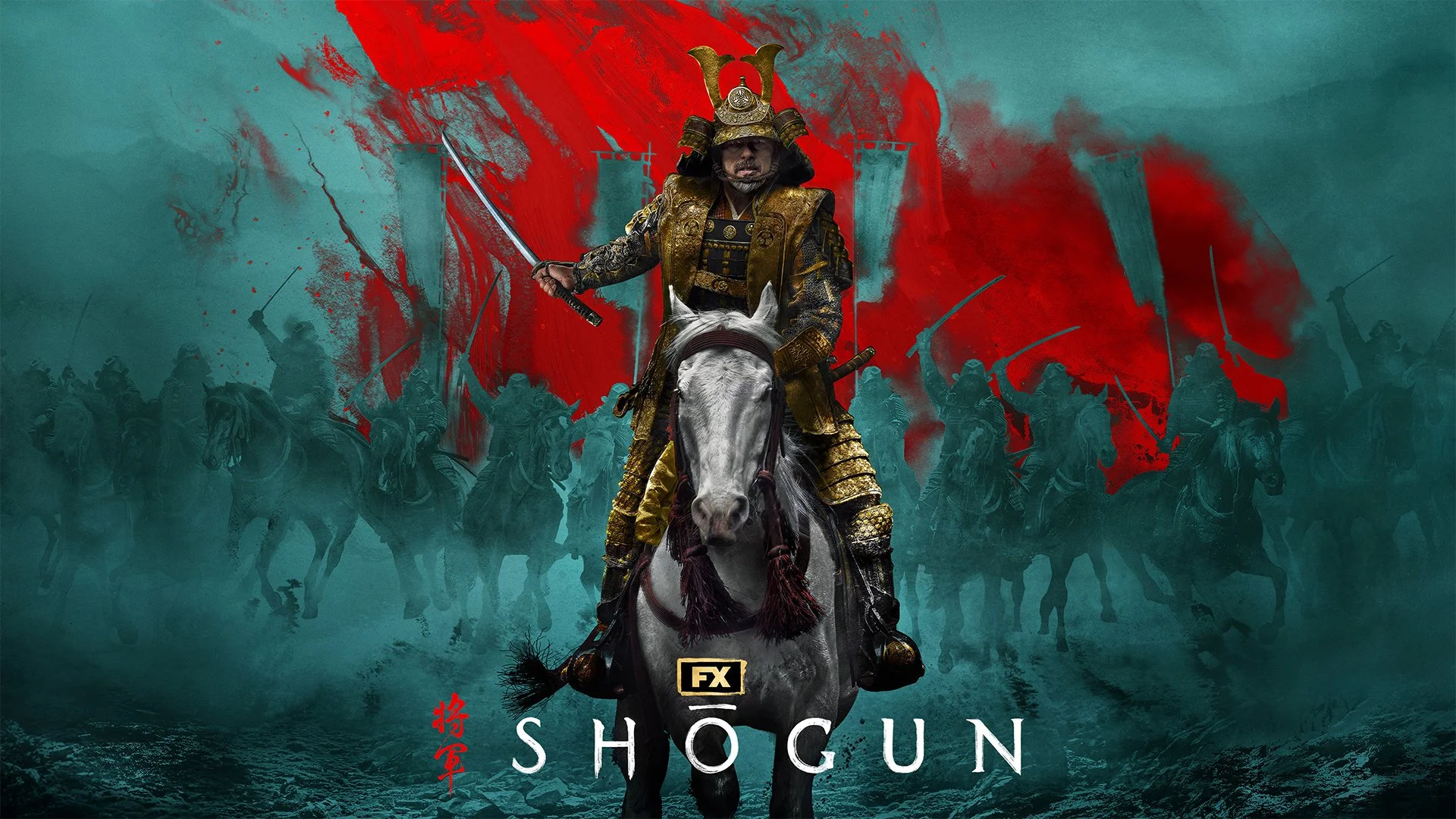
We synced with FX's own creative team weekly — the group responsible for the show's official logo and branding system. We weren't following their lead. We were building alongside them — and pushing back when the work demanded it. One contribution was proposing the vertical format for the show's logo, which became a key part of how the identity was expressed in social contexts. They shared animation assets; we brought the cultural insight.